Krius Intelligent Manufacturing (Jiangmen) Co., Ltd.

The Essential Guide to Nylon Drag Chains in Manufacturing
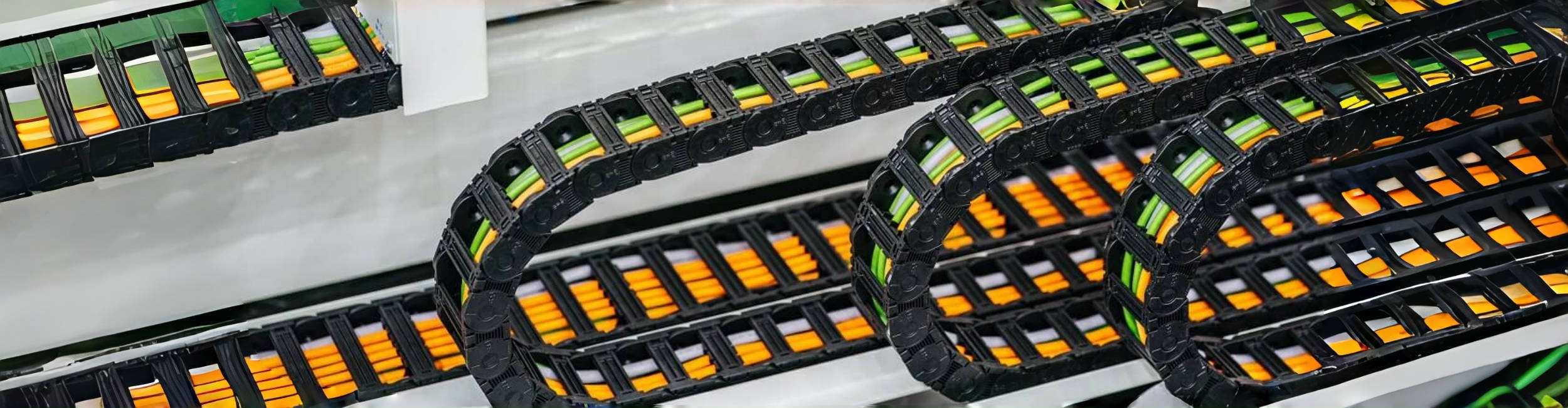
Nylon drag chains, often referred to as cable carriers or energy chains, are crucial components in the manufacturing and machining industries. These versatile chains are designed to manage and protect cables and hoses, ensuring smooth operation and preventing wear and tear in dynamic environments. Understanding the benefits and applications of nylon drag chains can help manufacturers optimize thei
2025-06-08
One of the primary advantages of nylon drag chains is their lightweight yet durable construction. Made from high-quality nylon, they provide excellent resistance to wear, chemicals, and extreme temperatures. This durability allows them to perform effectively in harsh conditions commonly found in manufacturing settings. Additionally, nylon drag chains are designed to reduce noise and vibrations, contributing to a quieter and more efficient workspace.
In terms of functionality, nylon drag chains are engineered to accommodate various cable types, including power cables, control cables, and hydraulic hoses. This adaptability makes them suitable for a wide range of applications, from CNC machines and robotic arms to conveyor systems and packaging equipment. By organizing these cables and hoses, drag chains prevent tangling and damage, which can lead to downtime and increased maintenance costs.
Installation of nylon drag chains is relatively straightforward, making them a popular choice for manufacturers looking to integrate reliable cable management systems into their machinery. Typically, they can be mounted along a linear path, effectively guiding and supporting moving cables as equipment operates. The design of these chains allows for easy access, enabling quick replacement and maintenance of cables as needed.
Another significant benefit of nylon drag chains is their ability to enhance safety within the workplace. By keeping cables and hoses securely housed, they minimize the risk of tripping hazards and accidental disconnections. This is particularly important in busy manufacturing environments where workers navigate around machinery and equipment frequently.
Moreover, nylon drag chains contribute to the overall longevity of machinery by preventing abrasion on cables and hoses. When cables are not adequately managed, they can experience fraying and damage, leading to potential failures and costly repairs. By investing in quality nylon drag chains, manufacturers can protect their equipment and ensure smooth operations for years to come.
In conclusion, nylon drag chains are an essential component in the manufacturing and machining industries. Their lightweight and durable nature, along with their ability to manage a variety of cables and hoses, make them indispensable for enhancing efficiency and safety. By understanding the advantages and applications of nylon drag chains, manufacturers can make informed decisions that lead to improved productivity and reduced operational costs.
Related News

Maximizing Efficiency with Cable Drag Chains in Manufacturing
In the realm of manufacturing and machining, the need for organized, efficient, and safe cable management is paramount. This is where cable drag chains come into play. A cable drag chain is designed to house and protect cables, hoses, and other components, allowing for smooth, unhindered movement in machinery. With a variety of designs and configurations available, they cater to specific requireme
How to Troubleshoot Issues with Your Plastic Drag Chain Table of Contents Understanding Plastic Drag Chains Common Issues with Plastic Drag Chains Identifying the Symptoms of Drag Chain Failure Step-by-Step Troubleshooting Guide Preventative Maintenance Tips for Plastic Drag Chains When to Replace Your Drag Chain Best Practices for Installing Drag Chains Conclusion
Subscribe to
Get the latest information on company products


Contact
Add: 14-2,Liandong U Valley,Manufacturing Industrial Park,Tangxia Town,Pengjiang District,Jiangmen City Guangdong Province, China