Krius Intelligent Manufacturing (Jiangmen) Co., Ltd.

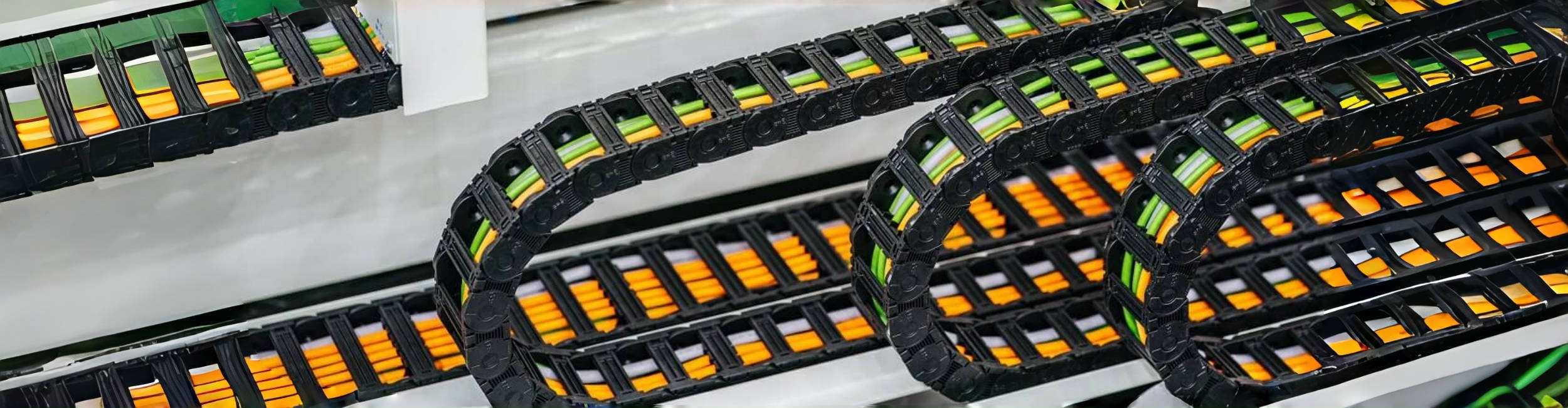
How Plastic Cable Drag Chains Contribute to Sustainable Manufacturing
How Plastic Cable Drag Chains Contribute to Sustainable Manufacturing Table of Contents 1. Introduction to Sustainable Manufacturing 2. What are Plastic Cable Drag Chains? 3. The Role of Cable Drag Chains in Manufacturing 3.1 Enhancing Machine Efficiency 3.2 Reducing Downtime and Maintenance Costs 4. Environmental Benefits of Using Plastic Cable Drag Chains 4.1 Waste Reduction in P
2026-10-13
How Plastic Cable Drag Chains Contribute to Sustainable Manufacturing
Table of Contents
1. Introduction to Sustainable Manufacturing
2. What are Plastic Cable Drag Chains?
3. The Role of Cable Drag Chains in Manufacturing
3.1 Enhancing Machine Efficiency
3.2 Reducing Downtime and Maintenance Costs
4. Environmental Benefits of Using Plastic Cable Drag Chains
4.1 Waste Reduction in Production Processes
4.2 Energy Efficiency and Resource Conservation
5. Applications of Plastic Cable Drag Chains in Various Industries
5.1 Robotics and Automation
5.2 CNC Machining
5.3 Material Handling Systems
6. Choosing the Right Plastic Cable Drag Chain for Your Needs
7. Future Trends in Cable Drag Chains and Sustainable Manufacturing
8. Frequently Asked Questions (FAQs)
9. Conclusion
1. Introduction to Sustainable Manufacturing
Sustainable manufacturing refers to the creation of products in a way that minimizes negative environmental impacts while maximizing resource efficiency. As industries around the world strive to reduce their carbon footprint and operate within the confines of environmental regulations, innovative solutions are becoming necessary. Among these solutions, **plastic cable drag chains** play a crucial role in optimizing manufacturing processes, making them more sustainable.
2. What are Plastic Cable Drag Chains?
Plastic cable drag chains, also known as cable carriers, are specialized components used in manufacturing machinery to guide and protect cables and hoses. These chains ensure that cables are organized and secured during dynamic movements, reducing wear and tear. Made from high-strength polymers, plastic cable drag chains offer numerous advantages over traditional metal chains, including lightweight properties, corrosion resistance, and increased flexibility.
3. The Role of Cable Drag Chains in Manufacturing
Plastic cable drag chains are fundamental to modern manufacturing operations. They contribute to the efficiency and longevity of machinery while supporting sustainable practices.
3.1 Enhancing Machine Efficiency
By providing a structured pathway for cables and hoses, plastic cable drag chains significantly improve machine operation. They minimize cable entanglement and snagging, leading to smoother and faster machine movements. This efficiency directly translates into higher production rates, allowing manufacturers to meet increasing demand without compromising quality.
3.2 Reducing Downtime and Maintenance Costs
One of the most significant advantages of using plastic cable drag chains is the reduction in maintenance needs. Traditional cable management systems often lead to frequent breakdowns due to wear and tear on cables. In contrast, plastic drag chains protect cables from damage, leading to less downtime for repairs and replacements. Consequently, manufacturers save on maintenance costs and can allocate resources more effectively.
4. Environmental Benefits of Using Plastic Cable Drag Chains
The adoption of plastic cable drag chains not only enhances operational efficiency but also aligns with environmental sustainability goals.
4.1 Waste Reduction in Production Processes
Implementing plastic cable drag chains reduces waste in manufacturing. With their durability and protective features, these chains extend the life of cables and hoses, minimizing the need for replacements. This reduction in waste contributes to a more sustainable manufacturing process by decreasing the environmental impact associated with producing replacement parts.
4.2 Energy Efficiency and Resource Conservation
Plastic cable drag chains can also lead to increased energy efficiency. By ensuring that cables and hoses are kept organized and free from damage, machines operate more efficiently, consuming less energy. This efficiency not only reduces operating costs but also lowers the carbon footprint of the manufacturing process, aligning with global efforts toward sustainability.
5. Applications of Plastic Cable Drag Chains in Various Industries
Plastic cable drag chains are versatile components used across multiple sectors, contributing to sustainable practices in each.
5.1 Robotics and Automation
In the field of robotics, where precision and reliability are paramount, plastic cable drag chains help protect sensitive cables and ensure smooth operation. This application supports sustainable manufacturing by enhancing the efficiency and longevity of robotic systems.
5.2 CNC Machining
CNC (Computer Numerical Control) machines benefit significantly from plastic cable drag chains. These chains ensure that the numerous cables connected to the machine are well-organized and protected from damage, allowing for continuous operation and minimal disturbances.
5.3 Material Handling Systems
Material handling systems often involve dynamic movements and require extensive cable management. Plastic cable drag chains provide a secure and efficient means of managing these cables, leading to improved safety and productivity in the warehouse and production environment.
6. Choosing the Right Plastic Cable Drag Chain for Your Needs
Selecting the appropriate plastic cable drag chain is crucial for maximizing efficiency and sustainability. Key considerations include:
- **Load Capacity:** Ensure the drag chain can handle the weight of the cables and hoses it will carry.
- **Flexibility:** Consider the range of motion required in the application. Some chains offer more flexibility than others.
- **Environmental Resistance:** Depending on the manufacturing environment, it may be necessary to choose chains that are resistant to chemicals, UV light, or extreme temperatures.
- **Size and Shape:** The dimensions of the drag chain should match the layout and spatial requirements of the operation.
By carefully evaluating these factors, manufacturers can select the most suitable plastic cable drag chains to meet their specific needs.
7. Future Trends in Cable Drag Chains and Sustainable Manufacturing
As technology progresses, the future of plastic cable drag chains looks promising. Innovations in materials and design are expected to enhance their sustainability even further. Trends to watch include:
- **Biodegradable Materials:** The development of biodegradable plastics could revolutionize the drag chain industry, offering even greater sustainability.
- **Smart Technology Integration:** Incorporating sensors and IoT technology into drag chains can provide real-time monitoring of cable integrity and performance, allowing for predictive maintenance and further reducing waste.
- **Customization:** Advances in manufacturing processes, such as 3D printing, may allow for the on-demand production of custom drag chains tailored to specific applications.
These trends highlight the potential for continuous improvement in the role of plastic cable drag chains in sustainable manufacturing.
8. Frequently Asked Questions (FAQs)
8.1 What materials are plastic cable drag chains made from?
Plastic cable drag chains are typically constructed from high-strength polymers, which offer durability, flexibility, and resistance to various environmental factors.
8.2 How do plastic cable drag chains improve operational efficiency?
By organizing and protecting cables, plastic cable drag chains reduce the risk of damage and downtime, leading to smoother operation and increased production rates.
8.3 Can plastic cable drag chains be recycled?
Many plastic cable drag chains can be recycled, contributing to waste reduction and sustainability efforts in manufacturing.
8.4 Are plastic cable drag chains more cost-effective than metal chains?
While the initial cost may be comparable, the reduced maintenance and longer lifespan of plastic cable drag chains often make them a more cost-effective option over time.
8.5 How do I maintain plastic cable drag chains?
Maintenance of plastic cable drag chains typically involves regular inspections for wear and ensuring that the chains are clean and free from debris. Lubrication may also be necessary depending on the application.
9. Conclusion
Plastic cable drag chains are integral to the evolution of sustainable manufacturing practices. By enhancing machine efficiency, reducing downtime, and promoting environmental responsibility, they contribute significantly to the industry's commitment to sustainability. As technology advances and innovative materials emerge, the role of plastic cable drag chains in supporting sustainable manufacturing will only continue to grow, paving the way for a more efficient and environmentally friendly future in production.
PREVIOUS:
Related News

How Plastic Cable Drag Chains Contribute to Sustainable Manufacturing
How Plastic Cable Drag Chains Contribute to Sustainable Manufacturing Table of Contents 1. Introduction to Sustainable Manufacturing 2. What are Plastic Cable Drag Chains? 3. The Role of Cable Drag Chains in Manufacturing 3.1 Enhancing Machine Efficiency 3.2 Reducing Downtime and Maintenance Costs 4. Environmental Benefits of Using Plastic Cable Drag Chains 4.1 Waste Reduction in P
Understanding Nylon Drag Chains: Essential Components for Manufacturing Machinery
Nylon drag chains, also known as cable carriers or energy chains, play a vital role in the efficient operation of manufacturing machinery. These structures are designed to organize and protect moving cables and hoses, ensuring smooth operation of equipment in various industrial applications. The use of nylon as a primary material offers numerous advantages that enhance performance and longevity. O
Subscribe to
Get the latest information on company products


Contact
Add: 14-2,Liandong U Valley,Manufacturing Industrial Park,Tangxia Town,Pengjiang District,Jiangmen City Guangdong Province, China