Krius Intelligent Manufacturing (Jiangmen) Co., Ltd.

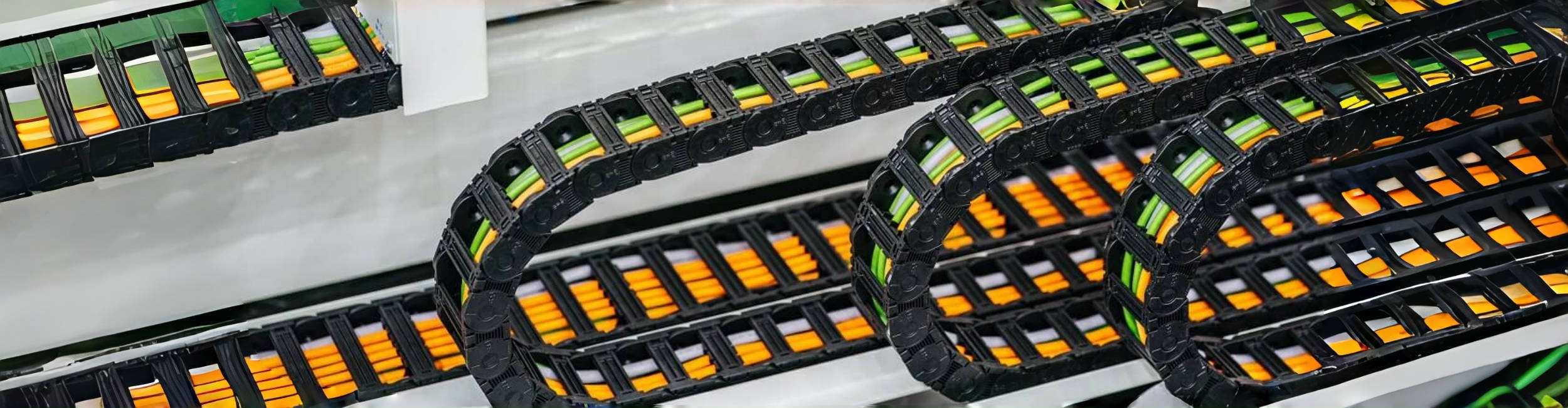
Understanding Nylon Drag Chains: Essential Components for Efficient Machinery
Nylon drag chains, also known as cable carriers or energy chains, are designed to guide and protect moving cables and hoses in various machinery applications. Their primary function is to organize and manage the movement of electrical wiring and hydraulic lines, ensuring they remain free from tangling and wear. This is particularly important in dynamic and high-motion environments, where uncontrol
2025-09-02
One of the significant advantages of nylon drag chains is their lightweight yet durable construction. Made from high-quality nylon, these drag chains offer excellent resilience to wear and tear while maintaining flexibility. This characteristic makes them particularly suitable for applications where the chains need to bend or twist, allowing for smooth operation in multi-dimensional movements. Additionally, nylon is resistant to various chemicals and environmental factors, further extending the lifespan of the drag chain in demanding industrial settings.
In terms of design, nylon drag chains are available in various sizes and configurations, allowing for customization based on specific machinery requirements. They can accommodate multiple cables and hoses simultaneously, thus optimizing space and improving organization within the machine. Furthermore, many nylon drag chains come with easy installation features, which simplify the setup process and reduce labor costs.
Applications of nylon drag chains span across numerous industries, including manufacturing, robotics, automation, and CNC machining. In CNC machines, for example, these drag chains ensure that the cutting tools and power supply lines operate smoothly without interference, contributing to precision and efficiency. Similarly, in robotic arms, nylon drag chains help maintain the integrity of wiring and hoses during movement, preventing damage and enhancing performance.
When selecting a nylon drag chain for a specific application, it is essential to consider factors such as the weight of the cables, bend radius, and environmental conditions. Proper assessment will ensure that the drag chain performs optimally and meets the demands of the machinery involved.
In conclusion, nylon drag chains are indispensable components that enhance the functionality and safety of manufacturing machinery. By understanding their benefits and applications, professionals can make informed decisions that improve operational efficiency and reduce maintenance costs in their respective industries. Properly implemented, nylon drag chains can significantly contribute to the longevity and performance of machine tools, making them a valuable investment for any manufacturing setup.
Related News

Maximizing Efficiency with Cable Drag Chains in Manufacturing
In the realm of manufacturing and machining, the need for organized, efficient, and safe cable management is paramount. This is where cable drag chains come into play. A cable drag chain is designed to house and protect cables, hoses, and other components, allowing for smooth, unhindered movement in machinery. With a variety of designs and configurations available, they cater to specific requireme
How to Troubleshoot Issues with Your Plastic Drag Chain Table of Contents Understanding Plastic Drag Chains Common Issues with Plastic Drag Chains Identifying the Symptoms of Drag Chain Failure Step-by-Step Troubleshooting Guide Preventative Maintenance Tips for Plastic Drag Chains When to Replace Your Drag Chain Best Practices for Installing Drag Chains Conclusion
Subscribe to
Get the latest information on company products


Contact
Add: 14-2,Liandong U Valley,Manufacturing Industrial Park,Tangxia Town,Pengjiang District,Jiangmen City Guangdong Province, China